Nepal Helicopter Service | Kathmandu, Nepal
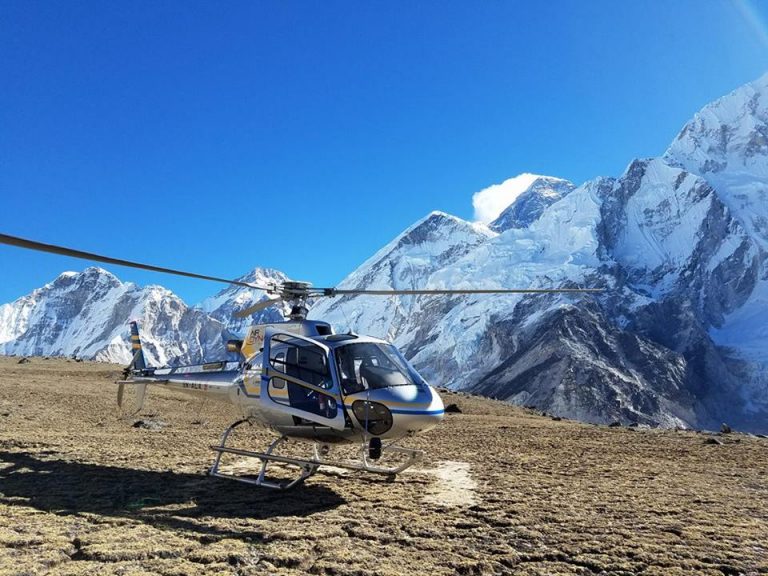
It’s a fair question, and one we hear almost every day. Trekkers spend around a week and a half walking up to Everest Base Camp so their bodies can adjust. On a helicopter tour you go from Kathmandu to Kala Patthar, higher than base camp, in little more than an hour. So why doesn’t everyone get sick?
The short answer: because you don’t stay long. The longer answer is worth knowing, especially if you are travelling with older parents or have a health condition.
Table of Contents
How high you actually go
| Place | Altitude |
|---|---|
| Kathmandu | 1,338 m |
| Lukla | 2,860 m |
| Hotel Everest View (breakfast stop) | 3,880 m |
| Everest Base Camp | 5,364 m |
| Kala Patthar (landing point) | 5,545 m |
At Kala Patthar the air holds only about half the oxygen you breathe at sea level. That sounds alarming, but time is on your side.
Why a short visit is different from a trek
Acute mountain sickness, the common form of altitude sickness, doesn’t strike the moment you arrive. Medical guidance such as the CDC’s travel health advice describes symptoms usually starting several hours after reaching altitudes above about 2,500 metres, often during or after the first night. The classic signs are a headache plus nausea, dizziness, tiredness or poor sleep.
On a helicopter tour you spend a few minutes at Kala Patthar and perhaps 30 to 45 minutes at Hotel Everest View, then fly back down. That is simply not long enough for most people to develop full altitude sickness. It is also why pilots keep high landings short.
What you might feel
Even a short stop can bring some temporary effects. They are normal and usually fade as soon as you descend:
- Getting out of breath after just a few steps
- Feeling light-headed if you stand up or move quickly
- A mild headache
- A racing heartbeat
- Feeling colder than you expected
If you feel confused, very dizzy, faint, sick, or have chest pain, tell the pilot or crew immediately. The cure for altitude problems is to go lower, and a helicopter can do that in minutes.
Who should talk to a doctor first
For most healthy adults a helicopter tour is fine. Please check with your doctor before booking if you, or someone in your group:
- Has heart disease, angina or a history of heart attack or stroke
- Has lung conditions such as COPD or severe asthma
- Has severe anaemia or sickle cell disease
- Is pregnant
- Has had recent surgery
If a high landing isn’t a good idea, a tour with a lower stop, such as breakfast at Hotel Everest View without the Kala Patthar landing, may still let you see Everest safely.
Simple ways to feel better on the day
- Sleep well and skip alcohol the night before.
- Eat a light breakfast. An empty stomach and thin air don’t mix well.
- Drink water before and after the flight.
- Move slowly when you step out. No jogging up the ridge for photos.
- Dress warmly. Being cold makes everything feel worse.
- Speak up. Pilots in the Everest region deal with altitude every day and would much rather hear early.
Medicines such as acetazolamide (Diamox) are used by trekkers who sleep at altitude. Whether you need anything for a short helicopter visit is a question for your own doctor, not a tour company.
Trekkers flying out are different
If you have trekked to Gorakshep or Everest Base Camp and fly back by helicopter, your body has already adjusted to the altitude. If you develop altitude sickness on the trail, don’t wait for a scheduled flight. Go down and call for help. Our Everest helicopter rescue page explains how that works.
Quick answers
Can you get altitude sickness on an Everest helicopter tour?
It is uncommon, because the stops at high altitude are short. Mild breathlessness or light-headedness is normal and fades quickly after descending.
How long can you stay at Kala Patthar on a helicopter tour?
Usually only a few minutes. The pilot keeps the landing short for passenger safety and aircraft performance.
Is an Everest helicopter tour safe for older people?
Many older travellers fly with us every season. Anyone with heart or lung problems should get advice from their doctor first, and may prefer a tour with a lower landing.
Worried about altitude? Tell us about your group and we will suggest the route and landing that suit you best. See our Everest Base Camp helicopter tour options, or WhatsApp +977 9818392976.
This article is general travel information, not medical advice. Please consult a doctor about your own health before flying to high altitude.