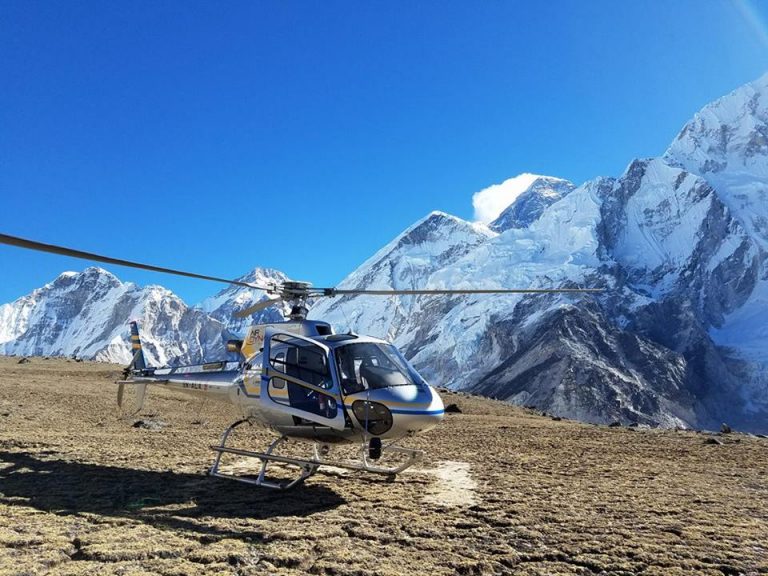
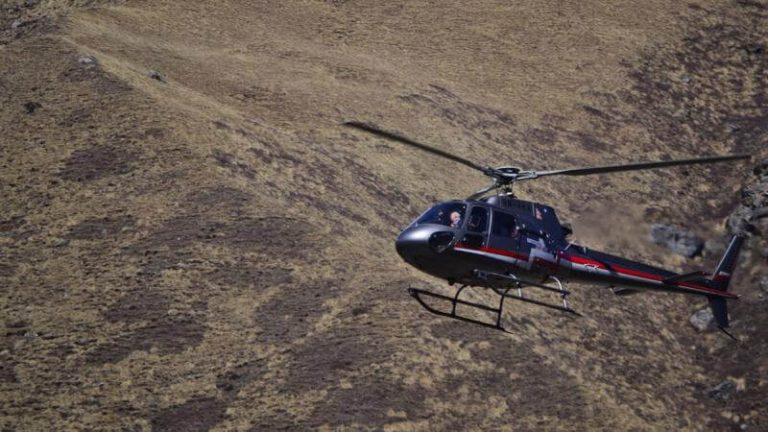
If you’ve ever stood in Kathmandu looking north at a wall of cloud and wondered what’s behind it, an Everest Base Camp helicopter tour answers that question in under three hours. No sixty-mile trek, no altitude sickness gamble, no fourteen days off work — just a short flight, a landing beneath the world’s highest peak, and a story you’ll be telling for the rest of your life.
The short answer: you book an Everest Base Camp helicopter tour by choosing a package (shared or private), confirming your date and passenger weight with a licensed operator like Nepal Helicopter Service Pvt Ltd, paying a deposit to secure the aircraft, and arriving at Tribhuvan International Airport before sunrise on your flight day. The rest — permits, weather clearance, pilot briefings — is handled by the operator.
That’s the summary. Below is everything that summary leaves out, and everything you should know before you commit your money and your morning to this flight.
Table of Contents
What Exactly Is the Everest Base Camp Helicopter Tour?
The Everest Base Camp helicopter tour is a one-day scenic flight from Kathmandu into the Khumbu region, typically routed through Lukla and Namche Bazaar before climbing toward Kala Patthar and the base camp itself. Most itineraries include a breakfast stop at the Everest View Hotel — the highest-altitude hotel on Earth — where you’ll get a full 360-degree view of Everest, Lhotse, Ama Dablam, and Nuptse from a dining table instead of a tent.
The whole experience, door to door, runs about 3 to 5 hours depending on weather and whether you choose a direct route or one with a landing at Everest Base Camp itself. Compare that to the classic Everest Base Camp trek, which takes 12–14 days round trip, and it’s easy to see why the helicopter option has become the preferred choice for travelers with limited time, older parents joining a family trip, or trekkers who want the summit view without the summit slog.
How to Book: The Actual Step-by-Step Process
1. Decide Which Version of the Tour You Want
Not all “Everest Base Camp helicopter tours” are the same product, and this is where most first-time bookers get confused. There are three common formats:
- Shared (group) tour with Everest View Hotel breakfast — the most affordable option, seats sold individually on a helicopter with up to 4–5 passengers, landing at Everest View Hotel or Kalapatthar rather than the base camp itself.
- Private charter to Everest Base Camp — you book the entire helicopter, choose your own departure time, and the aircraft can land closer to or at Everest Base Camp, weather permitting.
- Trek-with-helicopter-return — for trekkers who want to hike in but fly out (or vice versa), cutting the total trip length roughly in half.
If you’re unsure which fits your trip, our Everest Base Camp Helicopter Tour page breaks down each itinerary hour by hour, or you can message our team directly for a recommendation based on your travel dates and group size.
2. Check the Season and Pick Your Date
Visibility, not temperature, is what makes or breaks this flight. The two best windows are:
- March to May (spring) — clear pre-monsoon skies, rhododendrons in bloom below Namche.
- late September to November (autumn) — the most reliable visibility of the year, post-monsoon dust washed out of the air.
Winter (December–February) is flyable but colder at altitude, and the June–August monsoon months bring cloud cover that causes more frequent delays and reschedules. If your travel dates are flexible, autumn mornings offer the highest success rate for an unobstructed Everest view. Our guide on the best time for an Everest helicopter tour goes deeper into month-by-month conditions if you want to fine-tune your dates.
3. Confirm Passenger Details and Weight
This step surprises a lot of first-time flyers: helicopter seating in the Everest region is governed by total weight, not just headcount. Operators typically cap total payload (passengers plus luggage) per aircraft, so you’ll be asked for each traveler’s approximate weight when booking. This isn’t bureaucracy for its own sake — it’s a safety requirement tied to high-altitude performance, since helicopters lose lift capacity as air gets thinner above 12,000 feet. Be honest with your numbers; it affects fuel load and flight planning.
4. Pay the Advance and Lock In Your Slot
Most operators, including ours, require a deposit or full advance payment to reserve a specific date, since helicopter slots are limited and weather-dependent flights need advance permit processing with Nepal’s Civil Aviation Authority. Payment can usually be made by bank transfer or card through a secure booking page. Once confirmed, you’ll receive a written itinerary with pickup time, meeting point, and a weather-contingency policy — read that last part carefully, since it explains what happens if your flight is delayed or rescheduled.
5. Arrive Early and Travel Light
Flights depart at first light, typically between 5:00 and 6:30 AM, because mountain winds are calmest in the early morning and cloud buildup tends to start by mid-morning. Bring a valid photo ID, dress in layers (temperatures at Kala Patthar can sit well below freezing even in spring), and pack light — cameras and a light jacket are the essentials, not a full trekking kit.
6. Fly, Land, Return
After takeoff from Kathmandu, most routes cross the Sivalik and Mahabharat ranges before entering the Khumbu Valley near Lukla. From there, it’s a climb past Namche Bazaar and Tengboche toward Kala Patthar, Everest Base Camp, or both, followed by a breakfast stop at Everest View Hotel before the return flight to Kathmandu. You’ll typically be back at your hotel by mid-morning — plenty of day left for sightseeing in Kathmandu or Bhaktapur.
What’s Included (and What Usually Isn’t)
A properly run tour should include the helicopter flight, pilot and crew, landing/permit fees, and breakfast at Everest View Hotel. Airport pickup and drop-off are standard with most reputable operators. What’s typically excluded: travel insurance, personal expenses, tips for crew, and any additional landings beyond what’s listed in your specific package. Always ask for a written inclusions list before paying — this is the single biggest source of post-booking disputes in Nepal’s helicopter tourism sector.
How Much Does It Cost?
Pricing depends heavily on whether you book a shared seat or a private charter, and whether the itinerary includes an actual landing at Everest Base Camp versus a flyover with a landing at Kala Patthar or Everest View Hotel instead. As a general guide for 2026:
| Tour Type | Typical Price Range (per person) |
|---|---|
| Shared tour, Everest View Hotel breakfast landing | $1,200 – $1,800 |
| Shared tour with Kala Patthar or EBC landing | $1,900 – $2,600 |
| Private charter (full helicopter) | $3,500 – $7,000 total |
| Trek with one-way helicopter return | $1,900 – $2,800 (full package) |
Prices shift with fuel costs, group size, and season, so treat this as a planning range rather than a quote. For an exact figure based on your dates and group size, request a quote through our booking page — we respond with a fixed, all-inclusive price, not a starting-from figure that grows once you ask about landings and permits.
Weather Delays: What Actually Happens
This is the part every booking guide should say plainly and most don’t: mountain weather wins, every time. If cloud cover or wind makes the route unsafe, your operator will delay the departure by a few hours or reschedule to the next available morning — pilots in this region make that call conservatively, and that’s exactly what you want from someone flying you past 8,000-meter peaks. Ask your operator upfront what their rescheduling and refund policy looks like for weather cancellations before you pay; a transparent policy is one of the clearest signs of a well-run operation.
Do You Need a Permit?
You personally don’t need to apply for anything. Sagarmatha National Park entry fees and any required flight permits are arranged by the operator as part of your package and are factored into the quoted price. The one document you do need is a valid passport or photo ID for the airport check-in process, since domestic flight regulations in Nepal require identity verification even for short scenic flights.
Frequently Asked Questions
How long does the Everest Base Camp helicopter tour take? Most tours run 3 to 5 hours total, including the flight time, a breakfast stop at Everest View Hotel, and return to Kathmandu.
Can I land at Everest Base Camp itself, or just fly over it? It depends on the package. Shared tours often land at Kala Patthar or Everest View Hotel for safety and logistics reasons, while private charters can be arranged to land closer to or at Everest Base Camp when conditions allow.
Is the helicopter tour safe? Nepal’s licensed helicopter operators fly under Civil Aviation Authority of Nepal regulations, with experienced high-altitude pilots and weight-restricted, weather-dependent scheduling built specifically for mountain safety. As with any flight, choosing a licensed, established operator matters more than price alone.
What if the weather doesn’t cooperate on my scheduled day? Your flight will be delayed to a later window that day or rescheduled to the next available morning. Reputable operators build this into their policy and won’t fly if conditions are unsafe, regardless of your schedule.
Do I need trekking experience or fitness for this tour? No. Because the tour is entirely by air with only a short walk at the landing point, it’s accessible to travelers of nearly any age or fitness level, including children and older family members who couldn’t attempt the multi-week trek.
How far in advance should I book? During peak spring and autumn months, booking 2–4 weeks ahead is advisable, since helicopter availability is limited and weather-dependent scheduling means popular dates fill quickly.
Ready to See Everest From the Sky?
An Everest Base Camp helicopter tour condenses one of the world’s great expeditions into a single unforgettable morning. Whether you’re short on time, traveling with family, or simply want the Everest view without the multi-week trek, the process is simple: pick your package, lock in your date, and let a licensed operator handle the rest.
Nepal Helicopter Service Pvt Ltd has been flying travelers into the Khumbu region for years, with transparent pricing, experienced high-altitude pilots, and a weather policy that puts your safety ahead of the schedule. Browse our full range of Everest region helicopter tours, read what past travelers say on our reviews page, or contact our booking team directly to check live availability for your travel dates